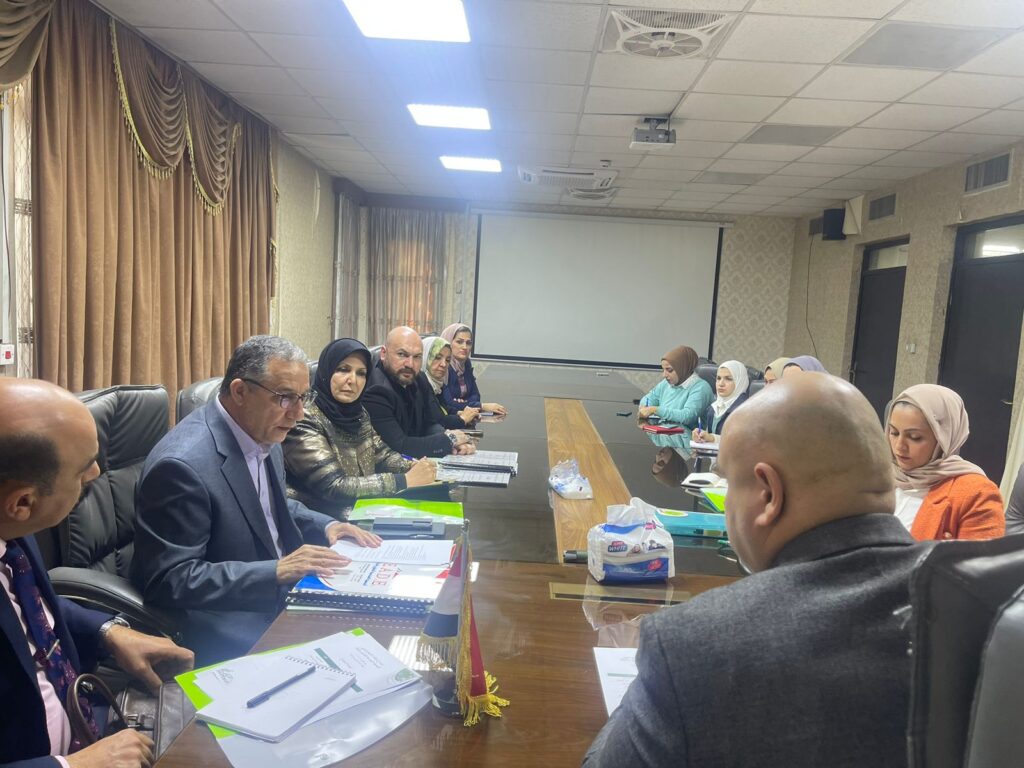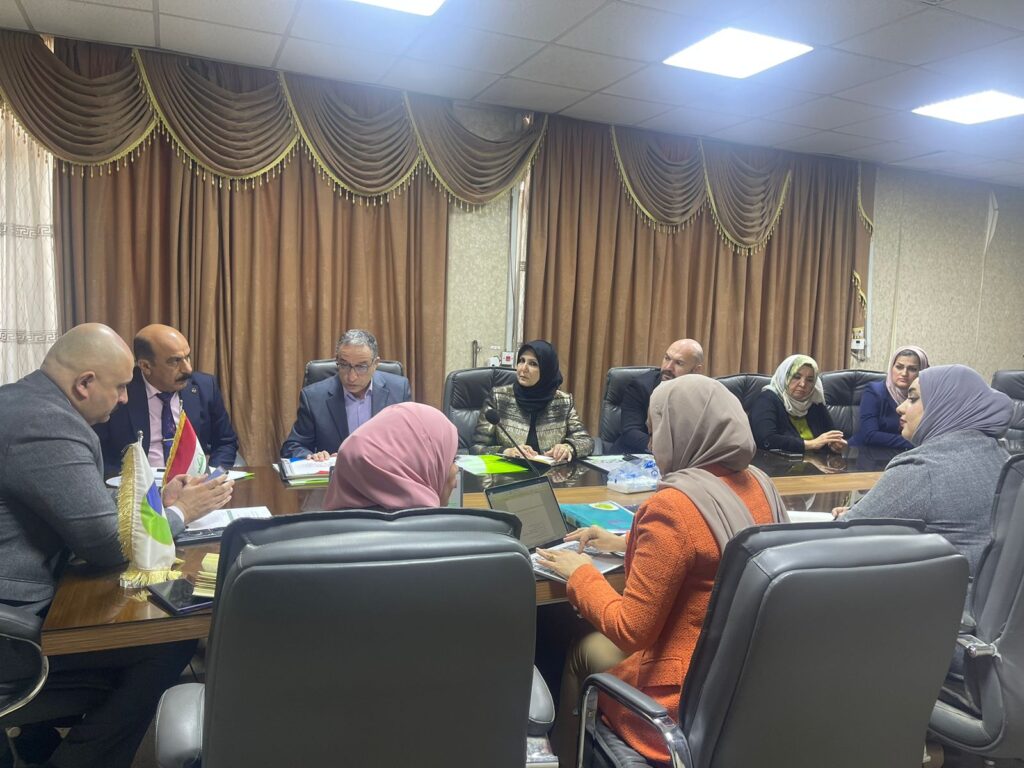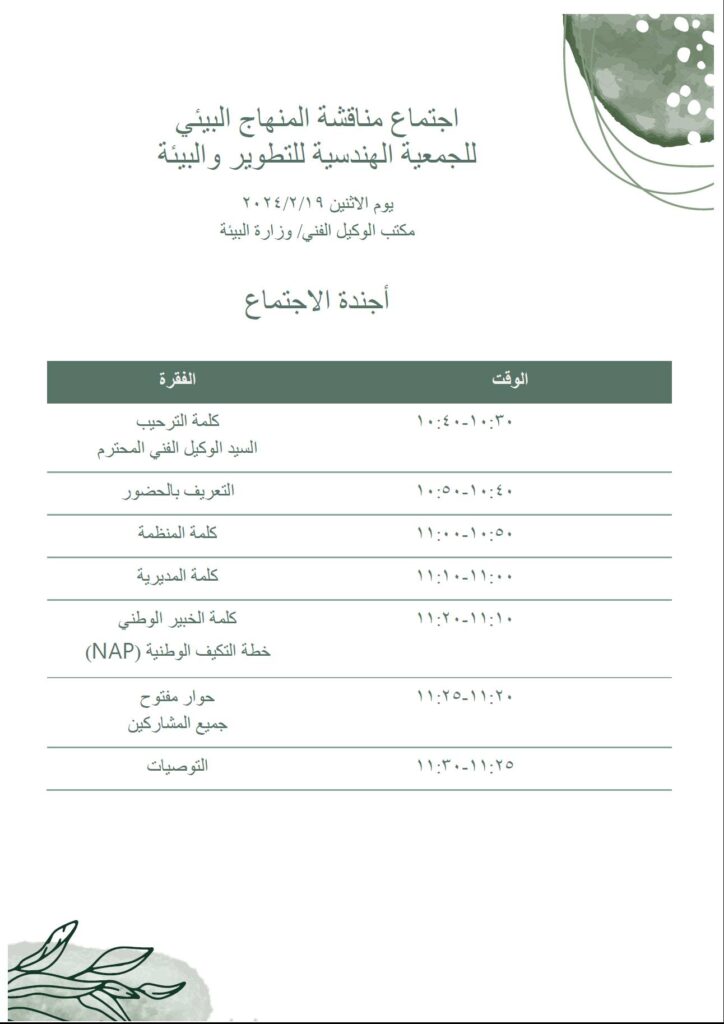
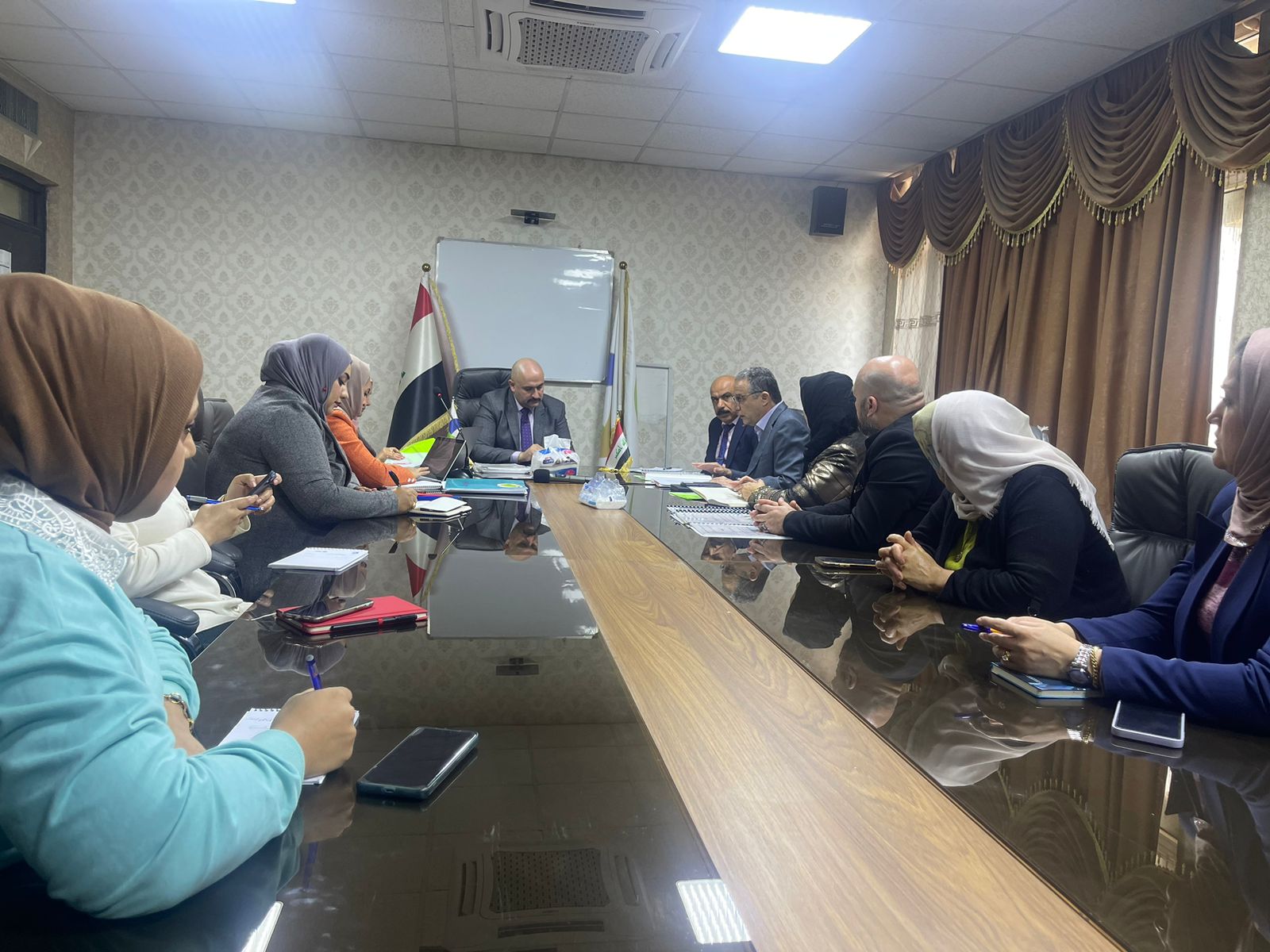
اجتمع الوفد المشترك للجمعية الهندسية للتطوير و البيئة و مركز بحوث البيئة في جامعة الموصل مع مديرية التغيرات المناخية في وزارة البيئة لمناقشة مسودة المنهاج البيئي للدراسة الابتدائية و الذي اعدته الجمعية الهندسية للتطوير و البيئة و بمراجعة و تنقيح مركز بحوث البيئة في جامعة الموصل.
و حضر الاجتماع مدير التغيرات المناخية و استشاري الوزارة في مجال المناهج اضافة الى عدد من رؤساء الاقسام في وزارة البيئة.
و استعرض رئيس المنظمة تفاصيل المنهاج و المواضيع التي تم معالجتها لكافة المراحل الدراسية الابتدائية و تم مناقشتها بشكل تفصيلي و الاجابة على بعض الاستفسارات التي طرحت اثناء الاجتماع.
و في نهاية الاجتماع رحبت المديرية بمحتوى المنهاج بشكل عام و اشادوا بجودة المعلومات المقدمة و اسلوب الطرح بما يتناسب مع استيعاب الطلبة في المرحلة الابتدائية و تم تقديم التوصية برفع مسودة المنهج الى اللجنة المشكلة برئاسة السيد مستشار رئيس الوزراء لغرض اخذ الرأي بأعتماده بعد المفاضلة مع مقترحات اخرى.
و يذكر ان الجمعية الهندسية للتطوير و البيئة قامت بأعداد المنهاج البيئي بشكل تطوعي و ضمن الامكانيات الذاتية للمنظمة بناءً على توجيهات دولة رئيس الوزراء المحترم و وزارة البيئة و كذلك دائرة المنظمات الحكومية في ضرورة تفعيل دورمنظمات المجتمع المدني في نشر الوعي البيئي في المجتمع و نشر ثقافة التنمية المستدامة و الاهتمام بالتعريف بتحديات التغيرات المناخية لدى شريحة الطلاب.
The joint delegation of the Engineering Association for Development and Environment-EADE and the Environmental Research Center at the University of Mosul met with the staff of the Climate Change Directorate in the Ministry of Environment to discuss the draft environmental curriculum for primary school, which was prepared by EADE and with review and revision by the Environmental Research Center at the University of Mosul.
The meeting was attended by the Director of Climate Change and the Ministry’s consultant in the field of curricula, in addition to a number of department heads in the Ministry of Environment.
EADE director reviewed the details of the curriculum and the topics that were addressed for all primary school levels, which were discussed in detail and answered some of the questions raised during the meeting.
At the end of the meeting, the directorate welcomed the content of the curriculum in general, the quality of the information provided, and the method of presentation in a way that suits the understanding of students in the primary stage.
A recommendation was made to submit the draft curriculum to the committee headed by the Prime Minister’s Advisor for the purpose of taking an opinion on adopting it after comparing it with other proposals.
It is noteworthy that EADE prepared the environmental curriculum on a voluntary basis and within the organization’s own resources, based on the directives of the honorable Prime Minister and the Ministry of Environment, as well as the Department of Governmental Organizations, regarding the necessity of activating the role of civil society organizations in spreading environmental awareness in society and spreading the culture of sustainable development and interest in introducing the climate change challenges to the student population.